Outpatient Rehab Buffalo
Outpatient rehab in Buffalo means you go to counseling at a clinic and sleep at home. Of the region's 55 listed facilities, 38 provide outpatient care. This guide covers who it suits, what a day involves, and how to pay.
- programs in Buffalo
- 38
- take Medicaid
- 38
- take private insurance
- 38
With outpatient rehab, you go to therapy at a clinic or join it by telehealth and return home the same day, a fit for people whose housing is stable. The Buffalo area has 38 outpatient facilities in the SAMHSA listings, ranging from a few hours a week to several hours a day. Sessions usually combine individual counseling, group therapy, family sessions, and medication management. Many Buffalo outpatient rehab centers also offer telehealth visits that work around jobs and family duties. If the call is about someone you love, ask what an ordinary week actually looks like before you commit to anything.
A week in treatment is usually built around a set schedule rather than a locked unit. Someone might attend two to five sessions, check in with a prescriber if medication is part of the plan, and practice coping skills between visits. Most Erie County outpatient programs offer both evening sessions and telehealth options for working adults. Because you go home each night, much of the work happens in your own environment, which is both the appeal and the challenge. If a person's living situation is unstable, then a higher level of care may be the safer starting point.
One more thing for families to weigh: outpatient care asks the person to keep showing up, so transportation and a supportive household matter. The 38 outpatient rehab centers in Buffalo that accept Medicaid include options across Erie County. If you are unsure whether this level fits, the free helpline can talk it through with you, and calling commits you to nothing.
Buffalo outpatient programs and Medicaid
Per SAMHSA FindTreatment.gov listings, all 38 outpatient facilities listed for Buffalo take Medicaid and private insurance, 31 accept Medicare, and 20 have a sliding fee scale. Beyond payment, the listings show genuine variety: 32 offer dual diagnosis care for co-occurring disorders, 38 provide telehealth, and 4 offer services in Spanish. Those Buffalo NY outpatient rehab centers give families several starting points within a short drive.
New York's Medicaid expansion means many low-income adults may be eligible, though each plan keeps its own network. With private insurance, federal parity rules generally mean your plan must cover substance use treatment just as it does medical care. If you're paying out of pocket, ask each program about sliding fees before dismissing it. Choosing among Buffalo outpatient rehab centers often comes down to which one accepts your plan. Have your insurance card handy when you call, and the helpline can go over options with you.
Geography matters too. A clinic on the far side of Erie County can be a hard weekly commitment without a car, so ask about telehealth if distance is a barrier. Programs differ in intensity as well: some run a few hours a week, others closer to daily sessions, and the listings show 5 facilities offering intensive outpatient care for people who need more structure than standard outpatient.
- take Medicaid
- 38
- take private insurance
- 38
- take Medicare
- 31
- offer a sliding scale fee
- 20
| Provider | Town | Levels of care | Takes |
|---|---|---|---|
| EHS Inc | Buffalo | Outpatient | Medicaid, Medicare, Insurance, Sliding fee |
| Beacon Center | Buffalo | Outpatient | Medicaid, Insurance, Sliding fee |
| Horizon Health Services Inc | Buffalo | Outpatient | Medicaid, Medicare, Insurance |
| PROMESA Inc | Buffalo | Outpatient | Medicaid, Medicare, Insurance, Sliding fee |
| Endeavor Health Services | Buffalo | Outpatient | Medicaid, Medicare, Insurance, Sliding fee |
| DART Program COP | Buffalo | Outpatient | Medicaid, Medicare, Insurance, Sliding fee |
| Erie County Medical Center Corporation | Buffalo | Outpatient | Medicaid, Insurance |
| Spectrum Health | Buffalo | Outpatient | Medicaid, Medicare, Insurance, Sliding fee |
| Endeavor Health Services OCCBHC | Buffalo | Outpatient | Medicaid, Medicare, Insurance, Sliding fee |
| Sisters of Charity Hospital | Buffalo | Outpatient | Medicaid, Medicare, Insurance |
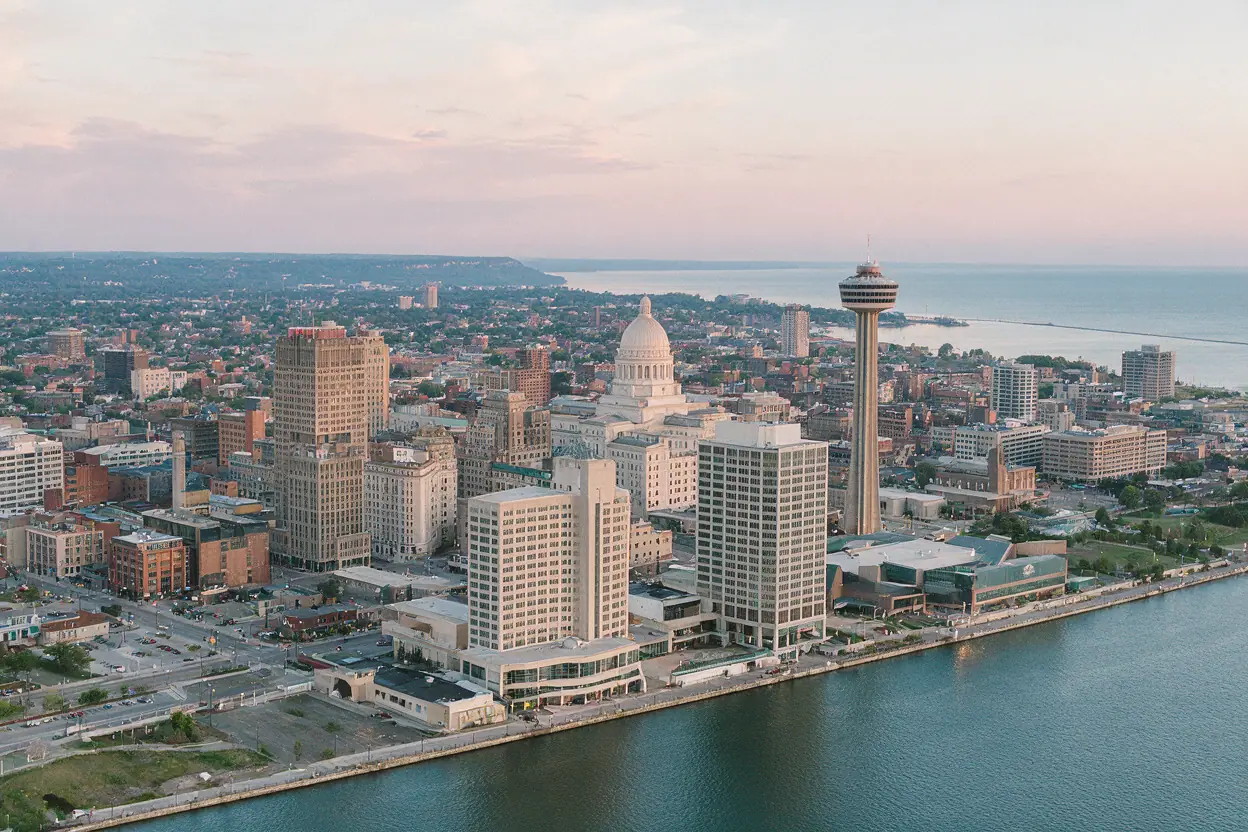
Who Buffalo outpatient care suits
- People with a substance use disorder who have stable housing and reliable transportation to sessions several times each week.
- Someone stepping down from inpatient or residential care who wants continued structure while returning to daily life.
- People with mild to moderate symptoms who do not need 24-hour medical supervision or monitoring during withdrawal.
- Parents and working adults who need to keep up with jobs or caregiving and want evening or telehealth options.

Paying for outpatient rehab in Buffalo
Cost depends on the program and your coverage, but the local picture is encouraging: all 38 outpatient facilities in the Buffalo listings accept Medicaid and private insurance, 31 accept Medicare, and 20 offer a sliding fee scale. High-deductible plans can still leave a bill, so ask what the out-of-pocket estimate looks like before the first appointment. If your plan is narrow, then the Buffalo rehab centers that accept Medicaid may be your clearest path. Calling the helpline is free, confidential, and comes with no obligation to enroll.
What a Buffalo outpatient program
Intake and assessment
A counselor asks about substance use, health history, and any mental health conditions. That conversation, usually an hour or longer, helps determine the right level of care and whether withdrawal should get medical attention first.
A written plan
You and your counselor agree on session frequency, therapy types, and any medication. If you have a co-occurring condition like depression, then the plan should address both at once; 32 of the outpatient facilities here offer that dual diagnosis approach.
Sessions week to week
Expect individual and group counseling, sometimes family sessions, plus practical work on triggers and routines. Many programs offer evening hours and telehealth, and prescriber visits are folded in when medication is part of the plan.
Review and step down
Progress gets reviewed regularly, and the schedule usually loosens over time as stability builds. When you are ready, you may move to less frequent sessions or a support group, though it helps to ask upfront how transitions work.
FAQ
What is outpatient rehab Buffalo and how does it work?
Outpatient rehab is treatment you attend at a clinic or by telehealth and then go home, rather than living at a facility. In the Buffalo area, 38 facilities listed by SAMHSA offer this level of care. Programs run from a few hours a week to several hours a day and typically combine individual therapy, group counseling, and medication management when needed.
Does Medicaid cover outpatient rehab in Buffalo?
Yes. In the local listings, all 38 outpatient facilities accept Medicaid, and New York has expanded the program, so many low-income adults may qualify. Coverage still depends on your particular plan and network, so confirm with the program before your first visit. A treatment advisor on the free helpline can walk through what your card covers.
How long do most outpatient rehabs last?
There is no single answer, because length depends on your needs and progress, and many people attend for several weeks to several months. The 38 Buffalo-area outpatient facilities set their own schedules and review timelines. Ask during intake how long the current phase usually lasts for someone in your situation, and whether evening or telehealth sessions are available.
How do inpatient and outpatient rehab differ?
Inpatient or residential rehab means staying at the facility with 24-hour support, while outpatient care means going to sessions and returning home. Buffalo listings show 38 outpatient facilities and 15 that offer inpatient or residential care. When withdrawal risk is high or housing is unstable, residential care may be safer; a clinical assessment can help with the decision.
Can I get outpatient rehab in Buffalo if I need dual diagnosis treatment?
Yes. Of the 38 outpatient facilities listed for Buffalo, 32 offer dual diagnosis care, treating a mental health condition as well as a substance use disorder. That combined approach counts when depression, anxiety, or trauma is part of the picture. At intake, ask how both are handled in a single plan and whether a single counselor covers the two.
Do Buffalo outpatient programs offer telehealth or Spanish-language services?
Yes, telehealth is widely available: all 38 outpatient facilities in the listings offer it, and 4 offer services in Spanish. Telehealth can make weekly sessions realistic for people without reliable transportation. If language access matters to your family, ask specifically which staff provide Spanish-language counseling and whether sessions are run by bilingual clinicians.
Outpatient rehab Buffalo
If you are weighing outpatient rehab for someone you love, a short call can narrow things down. The free, confidential helpline is answered 24/7 by trained advisors connected to state-licensed providers. They can explain levels of care, check which programs accept your insurance or Medicaid, and answer questions about withdrawal safety, with no obligation to enroll. Call when you are ready, and bring your questions about scheduling, cost, and what the first week looks like.