Crisis services Buffalo
When someone you love is in crisis, local support matters. Buffalo lists 55 SAMHSA-listed facilities, including Crisis Services Buffalo. A free helpline can help you sort through them.
- Outpatient
- 30 days
- Spanish spoken
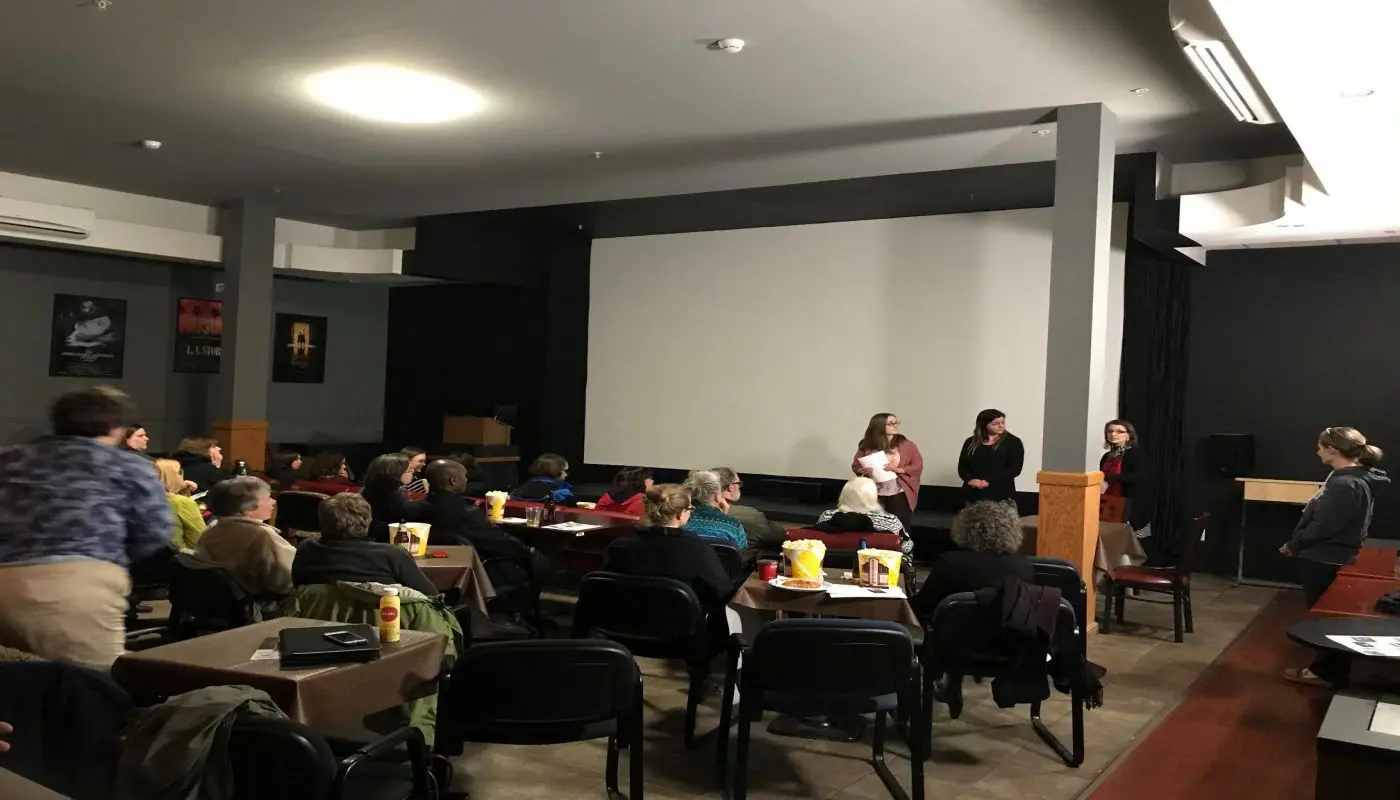
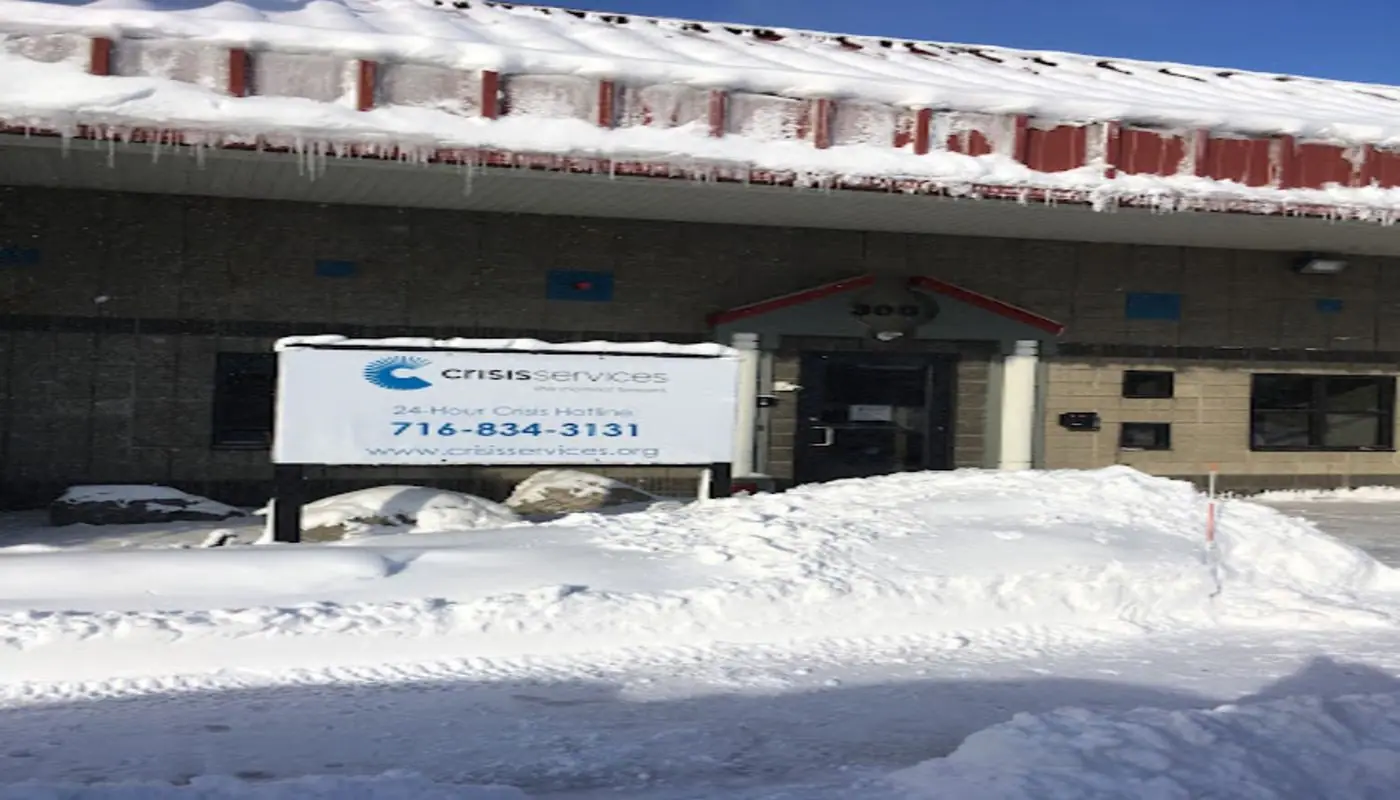

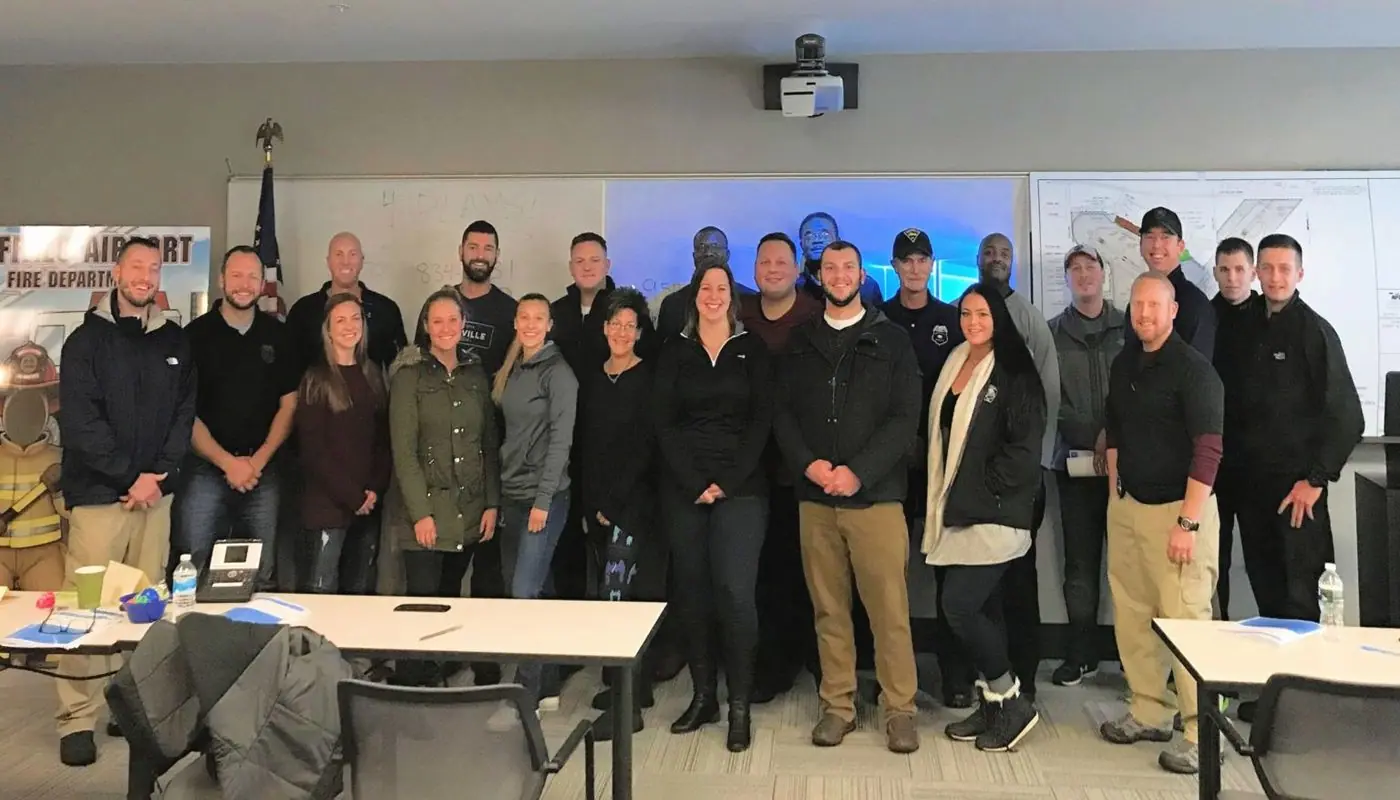
Crisis Services Buffalo has occupied its suite at 100 River Rock Dr since 1968, and its work centers on urgent mental health needs across Erie County. People arrive or call in the middle of emotional distress, suicidal thinking, or another psychiatric emergency, and the team's job is to steady the situation and point toward the right next step. A crisis hotline runs around the clock, and a Mobile Outreach Program carries support to homes, schools, and other safe community spots rather than requiring everyone to come in.
A good share of the center's services carry no charge, and they may involve an assessment over the phone, an evaluation done in person, lethality screening, and brief transitional help from peers and clinicians as a person steadies after a crisis. One central objective is to avoid a hospital stay or a jail placement whenever staying in the community is both safe and appropriate. The organization describes its approach as whole-person and focused on prevention, linking urgent response with ongoing follow-up, and it works with law enforcement and neighborhood partners so that care continues.
Crisis services Buffalo
Outpatient care is what Crisis Services Buffalo provides, with a common program length of 30 days, combining evidence-based methods with holistic and medical approaches. Among the therapy offerings are 1-on-1 counseling, family therapy, psychoeducation, and relapse prevention counseling. The center treats drug addiction and serves people living with anxiety, bipolar disorder, depression, narcissism, personality disorders, post-traumatic stress disorder, schizophrenia, stress, and suicidality. Outpatient treatment at this Buffalo center fits around school, work, and family routines for many people. Continuing care, discharge planning, and further outpatient treatment are available after the initial program.
If your family member cannot easily travel to River Rock Drive, then the virtual option may make weekly counseling possible from home. Choosing the right level of care in Buffalo starts with an honest look at daily safety needs. The justice-involved specialization and recovery coaching are worth asking about directly, particularly for someone leaving a hospital stay or a correctional setting. When an outpatient rehab in Buffalo seems too light for the situation, ask what else exists before settling on a plan.
- Evidence-Based
- Psychoeducation
- 1-on-1 Counseling
- Holistic
- Individual Treatment
- Relapse Prevention Counseling
- Medical
- Family Therapy
Who this Buffalo program is built for
- Adolescents, boys, children, and girls who need crisis mental health support
- Men, women, and mixed-gender groups
- People with a substance use disorder involving drugs
- Individuals living with anxiety, depression, bipolar disorder, PTSD, schizophrenia, narcissism, or personality disorders
- People experiencing suicidal thoughts, stress, or an emotional crisis
- Those involved with the justice system or transitioning out of a hospital
Setting, program length, and languages
Crisis Services Buffalo provides outpatient care, generally lasting 30 days, and has served Erie County since 1968. Support is available in English and Spanish. Rehabilitation services here in Buffalo NY include a remote format and outreach that travels to you. Through that mobile approach, help reaches homes, schools, or other safe places, which can lower the odds of a hospital or jail stay when community support is the right fit. Plenty of rehab centers in Buffalo provide just one setting, so ask which options match your schedule.
Paying for care at Crisis Services
Crisis assistance is described by the center as free and no-cost for Erie County residents. For follow-up or ongoing services, confirm payment details with the center directly. Insurance and Medicaid acceptance may differ by service, so ask before committing. If Medicaid is part of your plan, then New York's state program rules decide what is covered for outpatient care. Our free helpline helps you check availability and coverage with no pressure toward a decision.
Questions worth asking before admission
- Is crisis assistance free for everyone, or are there charges for follow-up care?
- Will you accept my insurance or Medicaid for the 30-day outpatient program?
- How often are counseling sessions, and who leads them?
- Can the mobile outreach team meet us at home, school, or another safe place?
- What continuing care and discharge planning follow the program?
- Do you offer services in Spanish, and is the virtual option always open?


Nearby programs in Buffalo
-
- Residential Rehab
- Co-Occurring Mental Health
On Hempstead Avenue, Lighthouse Women's Residence Buffalo runs a residential program for women.
30 days
Open facility page -
- Residential Rehab
- Co-Occurring Mental Health
Finding the right program for someone you love can feel overwhelming.
30 days
Open facility page -
Endeavor Health Services Behavioral
Buffalo, NY
- Outpatient
Endeavor Health Services Behavioral Buffalo is an outpatient clinic on Walden Avenue.
5 days
Open facility page -
- Outpatient
Horizon Health Services Hertel Recovery Center is on Hertel Avenue in Buffalo.
5 days
Open facility page -
- Outpatient
- Co-Occurring Mental Health
Family Success Center Envision Wellness WNY provides outpatient counseling at 1591 Kenmore Avenue.
5 days
Open facility page -
- Outpatient
Preston Healthcare Buffalo is an outpatient addiction treatment center.
7 days
Open facility page

FAQ
What support groups are available in Buffalo, NY?
Buffalo lists 55 SAMHSA-listed facilities, and many of them run support groups alongside formal treatment. Crisis Services Buffalo itself provides 1-on-1 counseling, family therapy, psychoeducation, and relapse prevention counseling rather than a traditional group schedule, so call the center to ask what is currently running. The free helpline can also point you toward nearby groups that suit your family member's needs and location, at no cost and with no commitment.
How long do most rehabs last?
The level of care shapes how long treatment lasts. For outpatient care at Crisis Services Buffalo, 30 days is the typical program length, and a clinician there may advise a shorter or longer span based on how someone is doing. As you compare programs around Buffalo, ask each about expected duration and what comes after, including continuing care and discharge planning. The helpline can help you weigh options without steering you toward any one center.
Who qualifies for inpatient rehab?
Inpatient care is generally for people who need 24-hour monitoring, such as during withdrawal or when personal safety is a concern. Crisis Services Buffalo offers outpatient care only, so it may not match a situation that calls for round-the-clock support. A clinician can assess the right level of care. If inpatient is recommended, the free helpline can connect you with SAMHSA-listed providers in the Buffalo area that offer it.
What types of rehabs are there?
Inpatient, residential, outpatient, and detox programs are among the options, and 55 SAMHSA-listed facilities across those types appear in Buffalo listings. Crisis Services Buffalo provides outpatient care with a typical length of 30 days, treating drug addiction alongside co-occurring disorders. If which type fits is unclear, call the helpline to talk it through. The call stays private and costs nothing.
Why are rehabs so expensive?
Costs vary widely and depend on the level of care, staffing, and length of stay, so no single figure covers Buffalo. Some services at Crisis Services Buffalo are described as free and no-cost, while follow-up care may carry charges you should confirm directly. Insurance and Medicaid can change what you owe. Calling the helpline is a way to compare options and check coverage before deciding anything.
How the free helpline helps in Buffalo
When you are trying to help someone close to you get care in Buffalo, the no-cost 24/7 helpline links callers to licensed treatment providers via trained advisors. Calling costs you nothing, remains private, and you are free to end the conversation anytime. Advisors can help you look into availability and coverage at Crisis Services Buffalo or other SAMHSA-listed programs nearby. Nobody gets a diagnosis, and no one is guaranteed admission, but those advisors can make your next call a bit easier.