Rehab Niagara Falls and what to know
Most Rehab Niagara Falls searches begin with a single anxious phone call. Eight SAMHSA-listed facilities serve the area, about 16 miles from downtown Buffalo. This guide covers levels of care, insurance and Medicaid, and how to choose.
- facilities listed
- 8
- take Medicaid
- 8
- in Buffalo
- 16 mi
Families often underestimate how many rehab Niagara Falls choices exist. In or near the city you will find eight SAMHSA-listed facilities, and across the Buffalo area 55 programs appear within roughly 25 miles of the center. The listings break down as 2 detox programs, 3 residential programs, 1 intensive outpatient program and 5 outpatient programs. Buprenorphine is offered at seven of the eight, and 7 of them also serve people with co-occurring disorders. That variety matters, since the correct level of care hinges on how much daily support a person needs, not on which building is the closest.
Detox and inpatient rehab near Niagara Falls often shape the next step for Erie County families, because quitting alcohol or benzodiazepines can be risky when no clinician is involved. If a person drinks heavily each day and then stops suddenly, a supervised detox setting is safer than a quiet room at home. Residential care brings structure and overnight support; outpatient care lets someone keep working or caring for children while attending several sessions weekly. No single level works for everyone, and a program can change as needs change.
Distance is a practical question for many households here. Niagara Falls sits about 16 miles from the Buffalo area center, so a daily outpatient schedule is realistic for most people with a car, while a farther residential stay may mean less visiting for family. Families comparing drug rehab centers in Niagara Falls and Buffalo NY should weigh travel time against the type of care offered, because a closer program that lacks detox may still send someone across the region for the first few days.
To reach the helpline, call and explain the situation: what the person uses, how long it has gone on, any past treatment, and what insurance or Medicaid coverage they have. Advisors work with licensed providers and can describe which listed programs fit. Nothing about the call costs money, it stays private, and you commit to nothing, and no one gets pushed into a decision right away. If you are calling about a spouse, adult child or parent, it helps to have their insurance card and a rough timeline of their drinking or drug use with you.
Rehab centers in Niagara Falls and across Erie County vary widely in what they offer, so two programs a few miles apart may fit very different situations. Some rehabs take teens, some focus on adults with co-occurring conditions, and some hold contracts with particular insurers. Asking three plain questions at intake, about level of care, coverage and start dates, tells you more than a brochure. If a program cannot say clearly what it treats, then keep it on the list but call another facility too.
Questions about money come up early, and rightly so. Every one of the 8 listed Niagara Falls programs accepts Medicaid, 8 take private insurance, 4 accept Medicare and 3 provide a sliding fee scale. Under the federal parity law, many insurance plans must cover substance use treatment on terms similar to other medical care, though the details rest with the plan. Phoning the number on the insurance card to confirm coverage before you choose a program can spare you a stressful surprise later.
Local health figures for Niagara Falls
Adult percentages in Niagara Falls versus New York, based on CDC PLACES data (2023).
| Indicator | Niagara Falls | New York |
|---|---|---|
| Heavy or binge drinking | 14.9% | 16.6% |
| Frequent mental distress | 18.6% | 15.6% |
| Depression | 21.6% | 17.3% |
| Smoking currently | 17.8% | 11.5% |
| Adults 18-64 without health coverage | 7.9% | 9.1% |
Levels of care near Niagara Falls
Treatment in Niagara Falls covers several distinct levels of care, and 2 of the 8 listed facilities provide detox while 3 offer residential treatment. Inpatient and outpatient addiction treatment near Niagara Falls meet different needs at different stages, and a careful assessment fits the setting to the person, not the reverse. Detox spans the first days, as the body clears alcohol or another substance, and a clinician's oversight matters most during that time. Residential programs supply housing, meals and structured days for people who need distance from their usual surroundings. The listed outpatient programs, including 1 intensive outpatient option, suit people with stable housing who can attend sessions while living at home. Five of the eight programs also serve teens, so parents looking for adolescent care have local choices. When someone has a substance use disorder with a mental health condition, ask about the 7 dually capable programs first.
| Care level | Programs |
|---|---|
| Medical detox | 2 |
| Inpatient rehab | 3 |
| IOP programs | 1 |
| Outpatient rehab | 5 |
| Suboxone and MAT | 7 |
Listed facilities in Niagara Falls
| Provider | Town | Levels of care | Takes |
|---|---|---|---|
| First Step Center | Niagara Falls | Detox, Residential | Medicaid, Insurance |
| Northpointe Council Inc | Niagara Falls | Detox, Residential | Medicaid, Insurance |
| Pine Avenue Recovery Center | Niagara Falls | Outpatient | Medicaid, Medicare, Insurance |
| Horizon Health Services Inc | Niagara Falls | IOP, Outpatient | Medicaid, Medicare, Insurance |
| Sundram Manor | Niagara Falls | Residential | Medicaid, Insurance |
| Beacon Center | Niagara Falls | Outpatient | Medicaid, Insurance, Sliding fee |
| Niagara Co Dept of MH Services | Niagara Falls | Outpatient | Medicaid, Medicare, Insurance, Sliding fee |
| Northpointe Council Inc | Niagara Falls | Outpatient | Medicaid, Medicare, Insurance, Sliding fee |

Paying for treatment near Niagara Falls
Covering the cost of addiction treatment in Niagara Falls is easier than many families expect, since all 8 listed programs accept Medicaid and 8 accept private insurance. Every listed Niagara Falls program takes Medicaid and private insurance for substance use services, though what a given plan pays still depends on the level of care and the plan. Four accept Medicare and 3 provide a sliding scale for people paying out of pocket. New York's Medicaid program covers many substance use services, though which program and level of care varies. If the person has no insurance, ask each program about sliding fees and any county-funded options before assuming it costs too much. Advisors on the helpline can talk through coverage questions with no pressure, and the call is free and private.
- take Medicaid
- 8
- take private insurance
- 8
- take Medicare
- 4
- offer a sliding scale fee
- 3
Rehab options around Niagara Falls
-
Caz Recovery Sundram Manor
Niagara Falls, NY
- Residential Rehab
- Sober Living
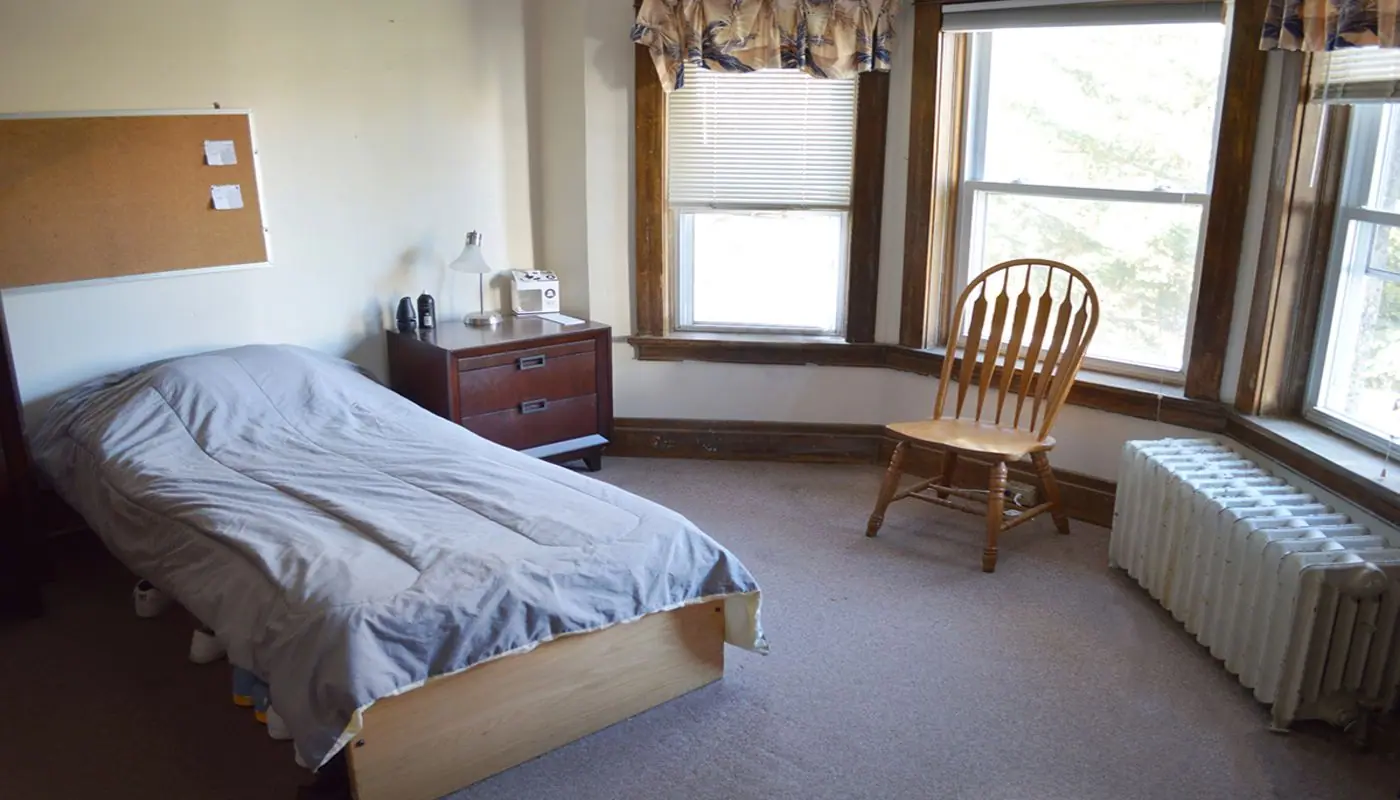
Caz Recovery Sundram Manor Niagara Falls is a residential rehab for adult men.
90 days16-30 beds
Open facility page -
- Outpatient
A Niagara Falls outpatient clinic can offer structured care without overnight stays.
30 days
Open facility page -
- Outpatient
Catholic Charities of Buffalo Monsignor Niagara Falls is an outpatient counseling center for young people.
5 days
Open facility page -
- Outpatient
- Residential Rehab
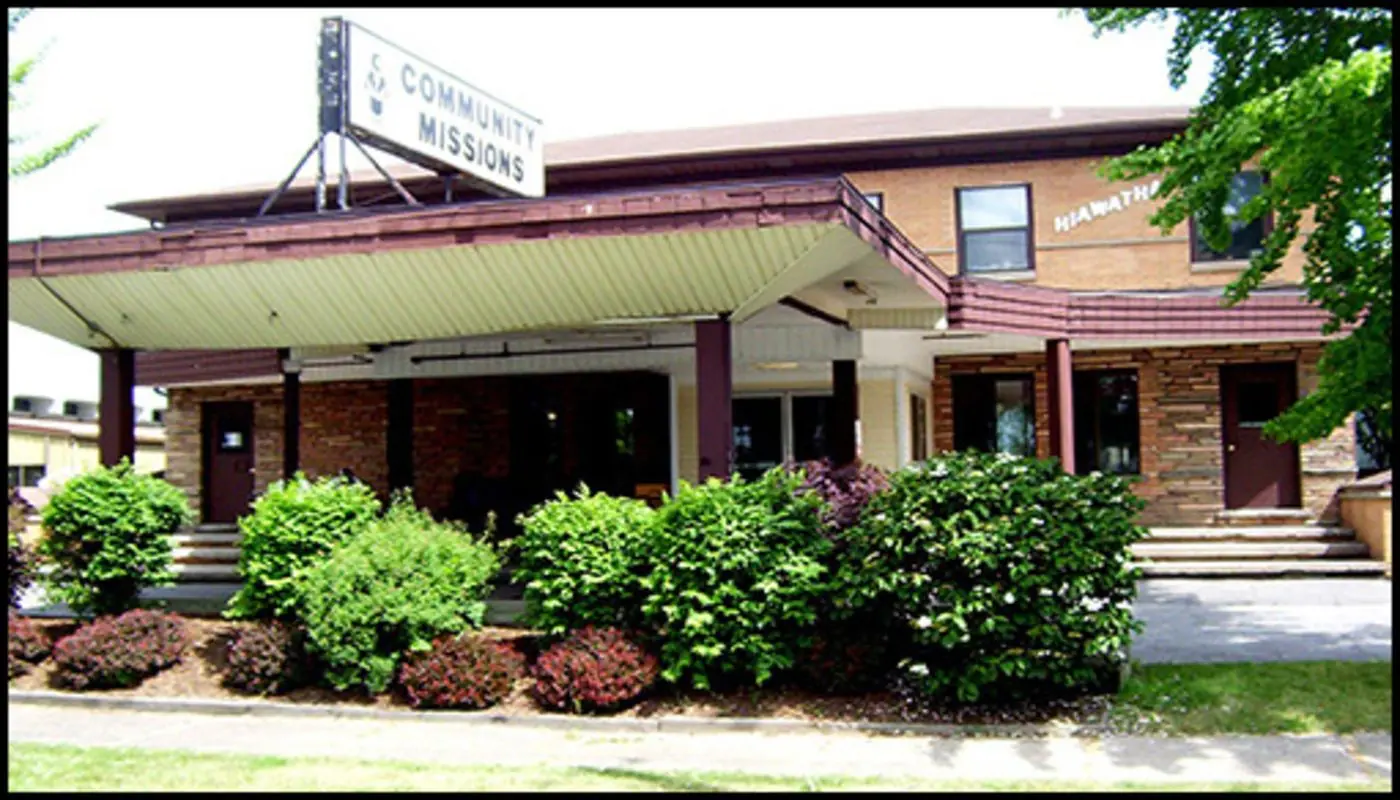
Community Missions of Niagara Frontier has served Niagara Falls since 1925.
30 days
Open facility page -
Hansen House 24 Hour 24 Hour
Niagara Falls, NY
- Residential Rehab
- Co-Occurring Mental Health
Hansen House 24 hour 24 hour supervised Niagara Falls is a residential program for adults with co-occurring conditions.
30 days
Open facility page
Other places near Niagara Falls
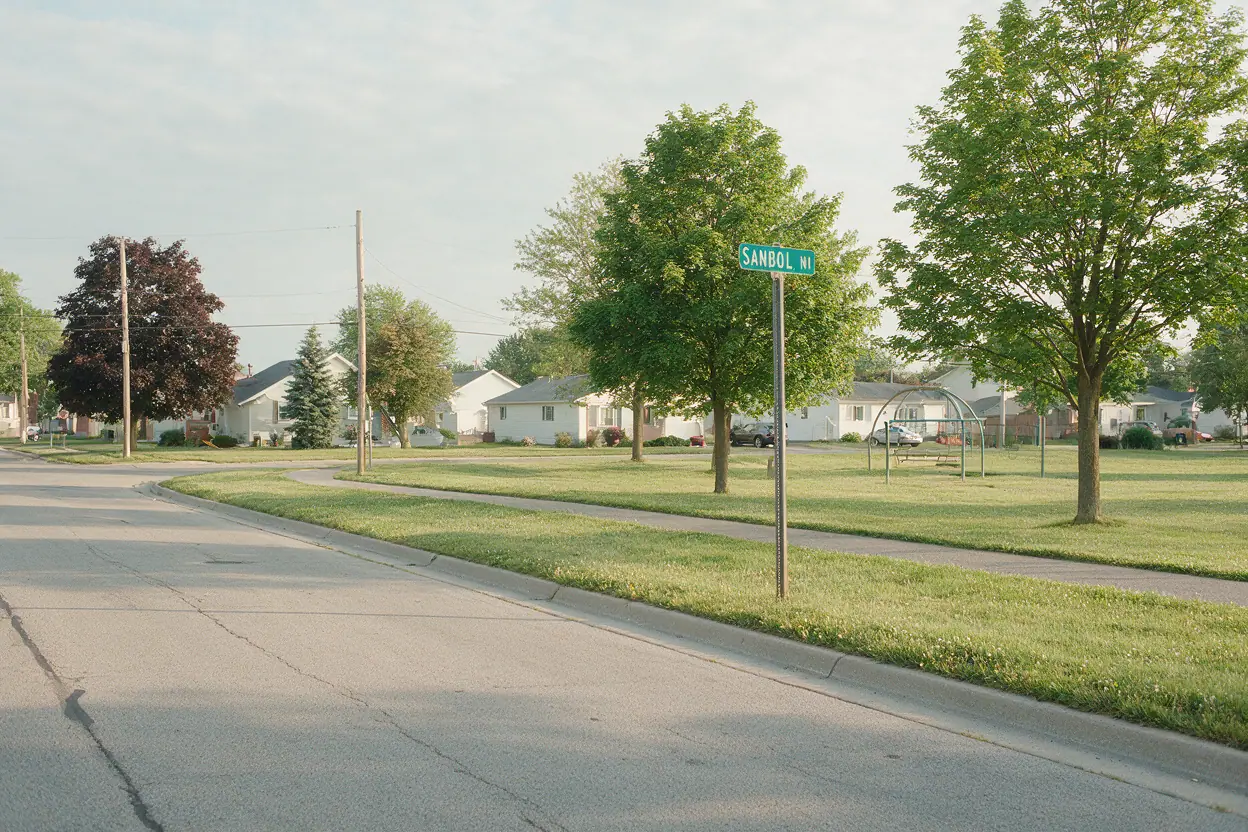
Other places within reach of Niagara Falls widen the list when the closest program has a wait: Lockport lists 5 facilities about 22 miles from the Buffalo center, and Sanborn lists 4. Rehabs in Buffalo NY and nearby towns can have openings sooner than a local program, so checking a few at once is routine for intake staff. Orchard Park, roughly 8 miles from the center, lists 3. Families often check several towns together, because a rehabilitation center in Buffalo or a smaller program outside the city may have a bed available this week. If travel is limited, then ask about outpatient services closer to home and reserve the longer trip for detox or residential care.
FAQ
How many rehab centers are in Niagara Falls, NY?
Eight SAMHSA-listed facilities serve the Niagara Falls area, according to FindTreatment.gov listings current as of November 2026. Among them are 2 detox programs, 3 residential programs, 1 intensive outpatient program and 5 outpatient programs, and some facilities offer more than one level of care. Across the wider Buffalo area, 55 facilities are listed within about 25 miles. A listing does not guarantee an opening, so call ahead to confirm availability and intake times.
Does Medicaid cover rehab in Niagara Falls?
Usually, yes. All 8 listed Niagara Falls facilities take Medicaid, and 3 also offer a sliding fee scale for people with limited income or no coverage. New York's Medicaid program covers many substance use treatment services, but the specific level of care and any prior authorization requirements vary by program and plan. Ask intake staff directly what Medicaid covers and what, if anything, you would owe.
How long do most rehabs last?
The length of treatment is set by the level of care, not by which city you are in. Detox typically lasts from a few days up to about a week, residential programs commonly run several weeks, and outpatient schedules may stretch over months. MedlinePlus points out that coming off alcohol and some other substances can be risky, so medically supervised detox is often the safer beginning. Ask any program how it determines when a person moves down to outpatient care.
Who qualifies for inpatient rehab near Niagara Falls?
Residential or inpatient care typically fits people who need overnight support, a safe place to stay, or who have already tried outpatient care without lasting benefit. Among the 8 listed Niagara Falls facilities, 3 provide residential care, and 7 serve people who also have mental health conditions. A program's clinical team decides after an assessment. When someone faces a risk of severe withdrawal, detox or medical supervision should come before residential admission.
What types of rehabs are there near Niagara Falls?
The 8 listed facilities split into several levels: 2 offer detox, 3 offer residential care, 1 offers intensive outpatient care and 5 offer standard outpatient services, with overlap among them. Seven provide buprenorphine and 7 treat co-occurring disorders. Some rehabs focus on adults, while 5 serve teens. If you are unsure which type fits, then describe the person's daily needs to an advisor and ask for a short list to call.
Why are rehabs so expensive, and what helps here?
Sticker prices can look alarming because residential care includes housing, meals and round-the-clock staff, not just counseling sessions. In Niagara Falls, all 8 listed programs accept Medicaid and 8 accept private insurance, 4 accept Medicare and 3 offer a sliding scale, so the billed rate is rarely what a family pays. If cost is the sticking point, then ask about sliding fees and confirm benefits with the insurer before ruling out a program.
Talk with someone about Niagara Falls
If you are calling about someone you love, you don't need answers ready in advance. The free helpline links Niagara Falls families with trained advisors attached to state licensed providers, and those advisors can go through the 8 listed programs, which levels of care fit, and how Medicaid or private insurance might apply. Calling is free, private and carries no commitment, and nobody will promise admission or any particular outcome. Call whenever you feel ready, even late at night.